Can social science predict the future?
Physicists and meteorologists test their theories by making predictions. Social scientists rarely do. This initiative aims to change that: we are building an open international competition in which researchers make concrete, testable forecasts about society, which are then scored against what actually happens.
Where we are now
May 2026: At an international symposium in Stockholm, researchers from around the world discussed our draft framework for formulating, testing and publicly sharing social science predictions.
Seven prediction tasks were selected for the competition (see below).
Predicto, an AI research assistant that helps researchers turn a theory into a reproducible forecast, is under development.
Spring 2027: The competition opens for submissions.
The seven prediction tasks
Inflation · Youth life satisfaction · PISA mathematics · Homicide · CO₂ emissions · Moral norms · Generalised trust
Read more about the prediction tasks →
Commentators on the framework
The draft framework was discussed at the symposium by Duncan J. Watts (University of Pennsylvania), Matthew J. Salganik (Princeton University), Andrew Gelman (Columbia University), Stefano DellaVigna (UC Berkeley), Eva Vivalt (University of Toronto), Igor Grossmann (University of Waterloo), Pierre Pinson (Imperial College London), Håvard Hegre (Peace Research Institute Oslo) and Tom Emery (Erasmus University Rotterdam).
Meet Predicto
Have a theory but no time to collect cross-national data, or don't code? Predicto is an AI agent that helps you search the research literature, choose public data, build and test a forecasting model, and produce a complete, reproducible submission.
Who are we?
This research initiative is funded by the Bank of Sweden Tercentenary Foundation (Riksbankens Jubileumsfond) and hosted by the Institute for Futures Studies (IFFS) in Stockholm, Sweden.
The project leaders are Pontus Strimling, Kimmo Eriksson and Christofer Edling.
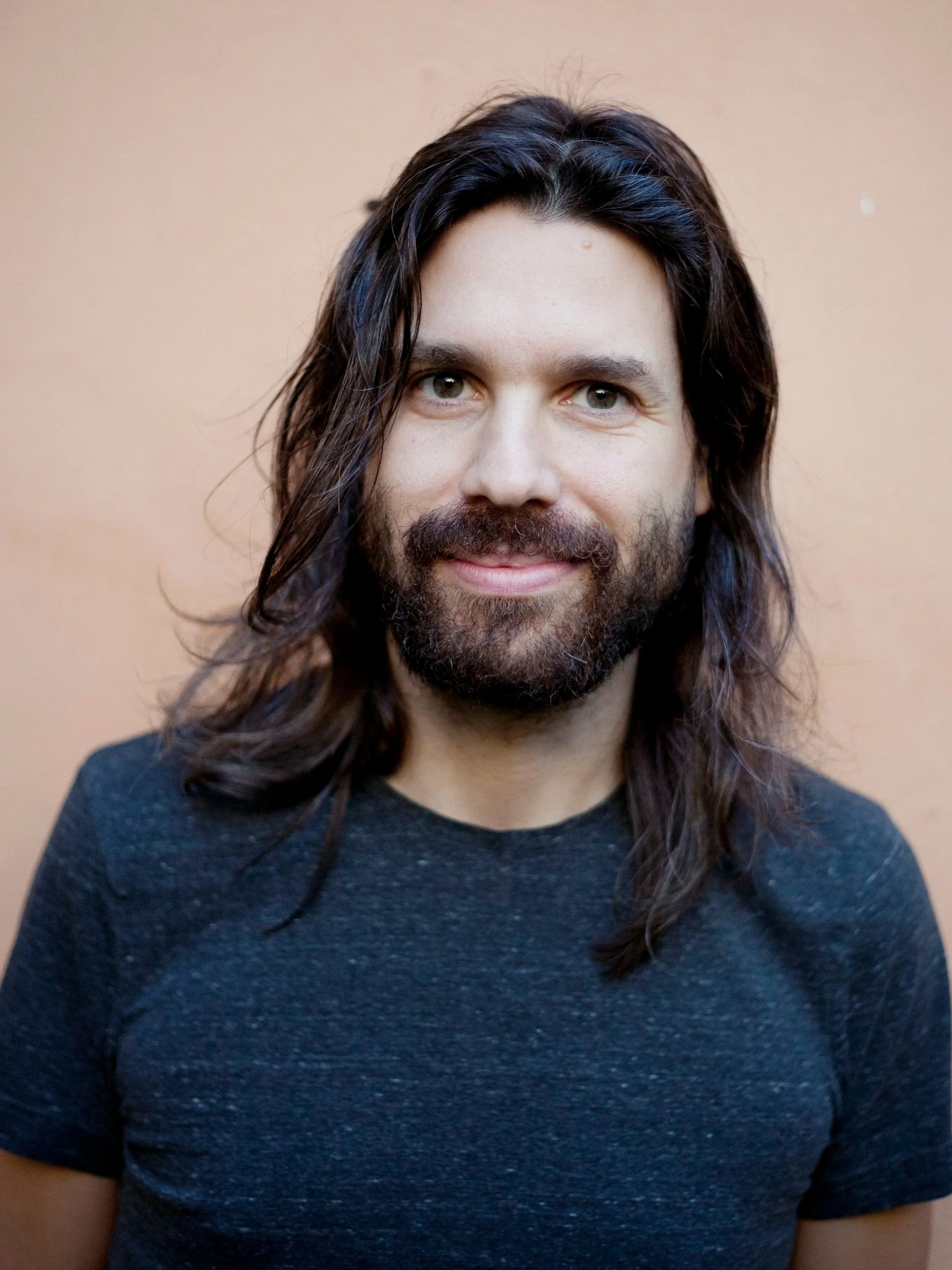
Pontus Strimling
Research leader at IFFS and professor at the Institute for Analytical Sociology (IAS) at Linköping University.
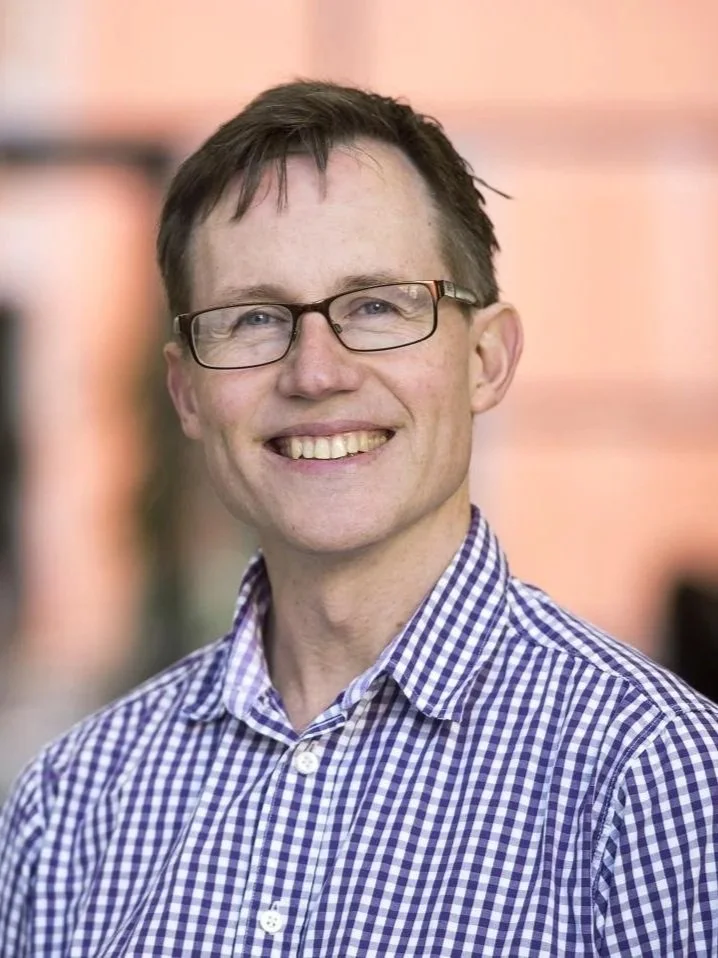
Kimmo Eriksson
Professor of applied mathematics at Mälardalen University and researcher at IFFS.
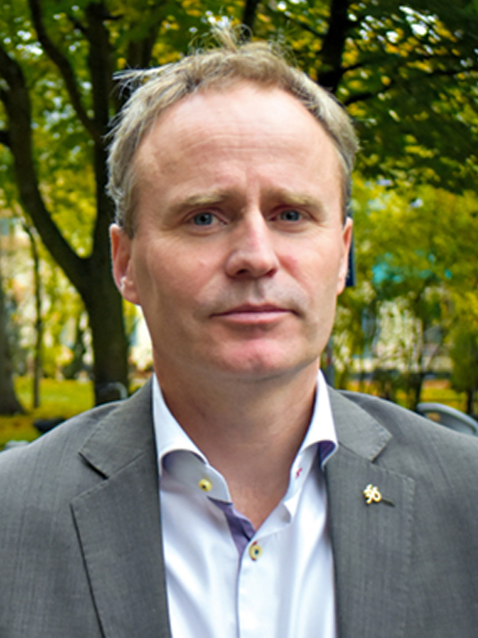
Christofer Edling
Professor of sociology at Lund University, researcher at IFFS and Program Director for WASP-HS.
Participating researchers
Anna Dreber, Professor of Economics at the Stockholm School of Economics
Armita Törngren Golkar, Associate Professor of Psychology at Stockholm University
Carina Mood, Professor of Sociology at Stockholm University and Research leader at the Institute for Futures Studies
Christina Garsten, Professor of Social Anthropology at Uppsala University and Principal and Permanent Fellow at SCAS
Fredrik Liljeros, Professor of Sociology at Stockholm University
Hernan Mondani, Associate Professor of Criminology and researcher at the Institute for Futures Studies
Irina Vartanova, Associate Professor of Psychology at Uppsala University and researcher at the Institute for Futures Studies
Martin Kolk, Associate Professor of Demography at Stockholm University and researcher at the Institute for Futures Studies
Moa Bursell, Associate Professor of Sociology at Mälardalen University and Research leader at the Institute for Futures Studies
Olle Hammar, Assistant Professor at the Department of Economics and Statistics at Linnaeus University and researcher at the Institute for Futures Studies
Staffan I. Lindberg, Professor of Political Science at the University of Gothenburg
Project coordinator: Corrie Hammar, the Institute for Futures Studies
For media and enquiries
For press enquiries or to follow the competition, please get in touch.